


Table ronde
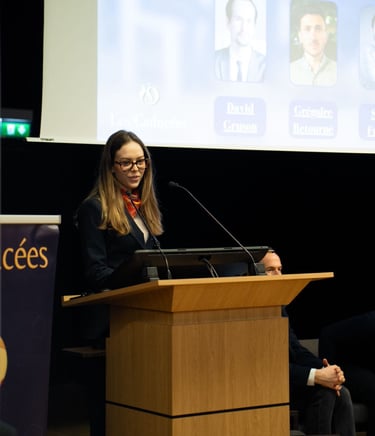
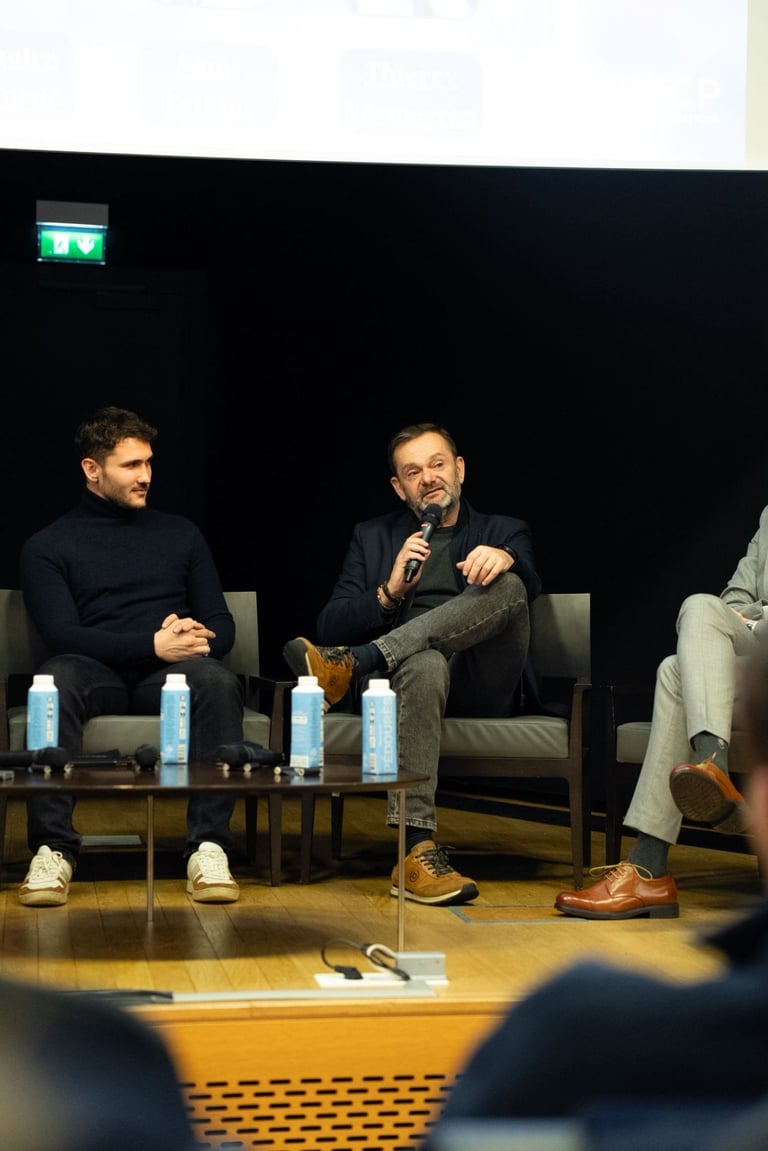
On Thursday, February 5, 2026, on the ESCP Montparnasse campus, the Caduceus Round Table was held around a central question, as direct as it is structuring for the future of the sector: "How far can we delegate a clinical decision to an algorithm?".
This edition aimed to open up a demanding reflection on the role of artificial intelligence in medical decision-making. Beyond a technological debate, the challenge was to examine the ethical, clinical and regulatory implications of AI in healthcare, while reaffirming.
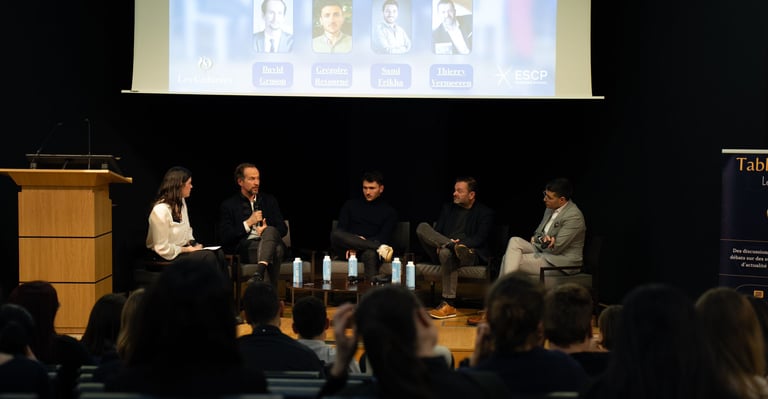
The discussion took the form of a 90-minute exchange featuring four speakers from the academic, institutional, hospital, and technological sectors. A question-and-answer session with the audience allowed for a deeper exploration of the issues raised and fostered interactive debate. A cocktail reception followed, extending the discussions in a more informal setting, conducive to networking and individual conversations between students and professionals.
The event brought together over 130 participants on the Montparnasse campus, including students from the MSc in Biopharmaceutical Management, alumni, and healthcare professionals. This strong turnout confirms the Caducées' role as a key meeting point between academic training and the biopharmaceutical ecosystem, and demonstrates the interest generated by the topic. The event was particularly praised for the quality of the discussions, the depth of the reflections, and the audience's engagement.
The discussions highlighted three major principles: maintaining human control as a non-negotiable element in clinical decision-making, evaluating artificial intelligence based on concrete clinical results rather than solely on its technical performance, and using technology as a tool to improve care, without ever replacing medical reasoning.
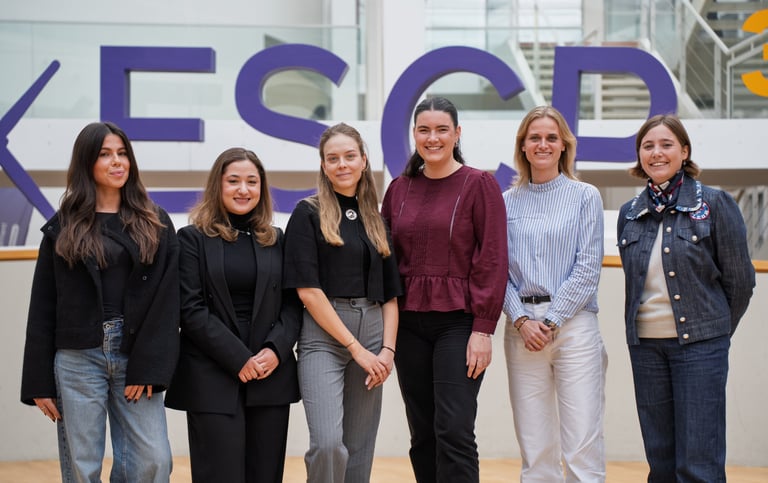
With conviction and high standards, the entire Round Table team is committed to creating a stimulating space for dialogue, serving the major transformations in the healthcare sector. Our ambition is to offer high-quality debate, based on complementary perspectives and in-depth discussions, in order to shed light on the strategic challenges of today and tomorrow. This initiative reflects our desire to actively contribute to collective thinking and to strengthen the connections between students, experts, and stakeholders in the ecosystem.
A word from the team
Les intervenants
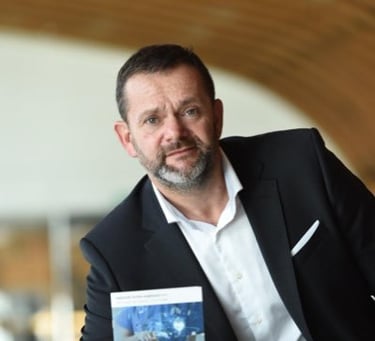
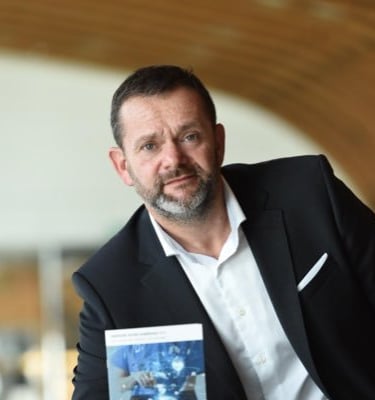
Thierry Vermeeren,
Vice-President of SoFIA-Santé, a French-speaking learned society dedicated to artificial intelligence in healthcare. A Doctor of Philosophy and Letters and founder of WeLink.Care, he has been supporting the digital transformation of healthcare systems for over 20 years. His presentation provided valuable insights into governance, responsibility, and the role of humans in relation to algorithms.
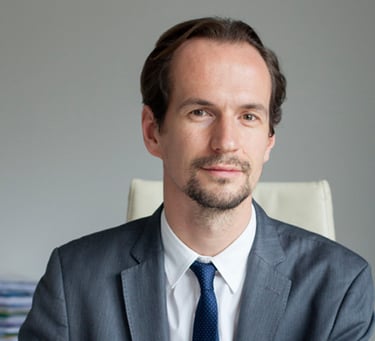
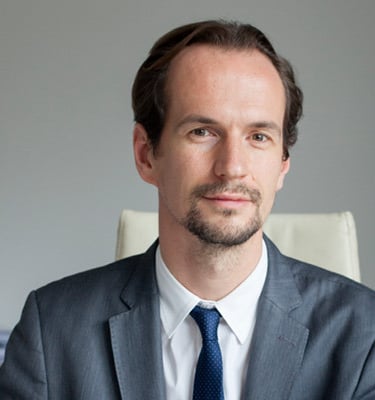
Founder of Ethik-IA, a leading initiative dedicated to the legal and ethical compliance of AI in healthcare. A Doctor of State in Medical Law, a graduate of EHESP and ENA, and Director of the Home Healthcare program at La Poste Santé & Autonomie, he addressed the challenges of regulation, responsibility and securing the deployment of AI solutions..
David Gruson,
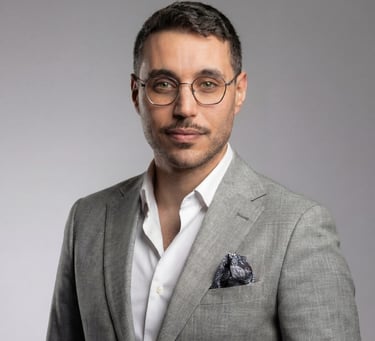
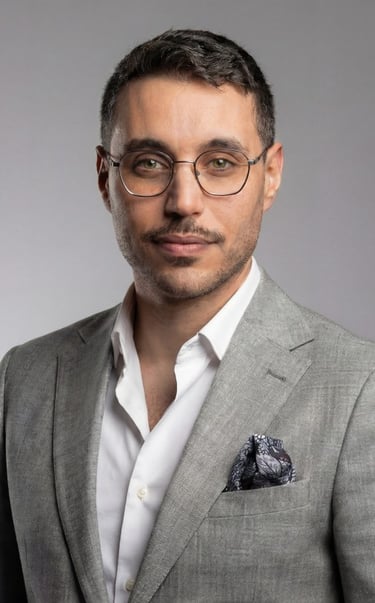
Sami Frikha,
A hospital radiotherapist at Henri-Mondor Hospital (AP-HP) and Innovation Lead, specializing in the integration of AI in oncology, he shared concrete field feedback on the use of these tools in diagnosis, therapeutic decision-making, and patient monitoring.
A graduate of École Polytechnique and Lead Software Engineer at Nabla, at the interface between technology and clinical uses, he presented an operational vision of the design and integration of robust AI tools that are actually adopted by healthcare teams.
Grégoire Retourné,